
Technology
At Nordic BioClean Solutions, we work with sustainable, next-generation enzyme technology that effectively removes biofilm and stubborn coatings – beyond the limits of traditional chemicals. We optimise CIP, OPC and membrane filtration and ensure a stable, documentable food safety standard on your production line. Look forward to a cleaning strategy that is always one step ahead.
Biofilm
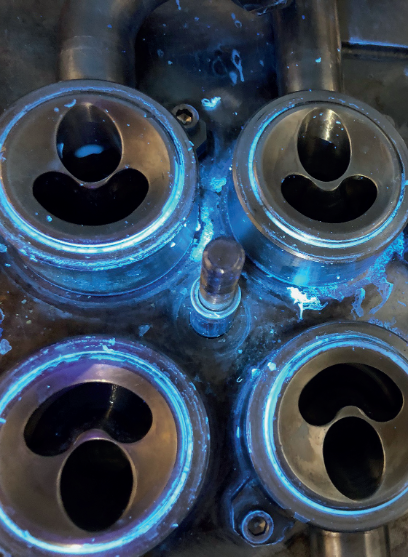
Biofilm is the natural state for most microorganisms in food production – and the biggest hidden risk for contamination.
Over 90% of all bacteria live as biofilms, where they are protected by a complex matrix of polysaccharides, proteins, lipids and DNA. This structure makes biofilms up to 1,000 times more resistant to traditional cleaning and disinfection, which means even thorough routines can leave active bacteria on and in equipment, pipes, tanks, floors and drains. That increases the risk of pathogens, off-flavours, reduced shelf life, production stoppages and recalls. At Nordic BioClean Solutions, we work with advanced, enzyme-based technologies that can eliminate biofilm and ensure safe and stable production.
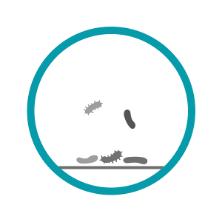
Fixing
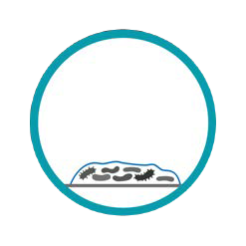
Growing
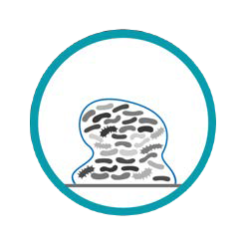
Maturing
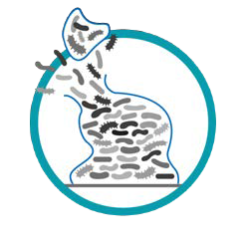
Spreading
What is the challenge?
Biofilm protects microorganisms – including spoilage bacteria and pathogens – from chemicals, heat and mechanical cleaning. When the biofilm loosens, free-floating bacteria such as Listeria, Salmonella, Bacillus and Pseudomonas can spread in the production environment and cause contamination. Biofilm also acts as a reservoir where even small amounts of microorganisms can migrate into products, significantly reducing shelf life or contaminating the product with disease-causing bacteria. Without targeted biofilm management, the risk of deviations and recalls is significantly higher.
How does our solution work?
We apply Realco's patented Biorem® 3G technology, which uses an octavalent enzyme cocktail to break down the biofilm matrix in depth. Among other things, the enzymes hydrolyse PNAG and eDNA – the most critical structural components – and make the bacteria vulnerable to complete elimination. The solution works at low temperatures, reduces water, energy, and chemical consumption, and can be used both for cleaning and prevention on open and closed surfaces. An effective, sustainable, and documentable method for controlling biofilm.
Membrane filtration
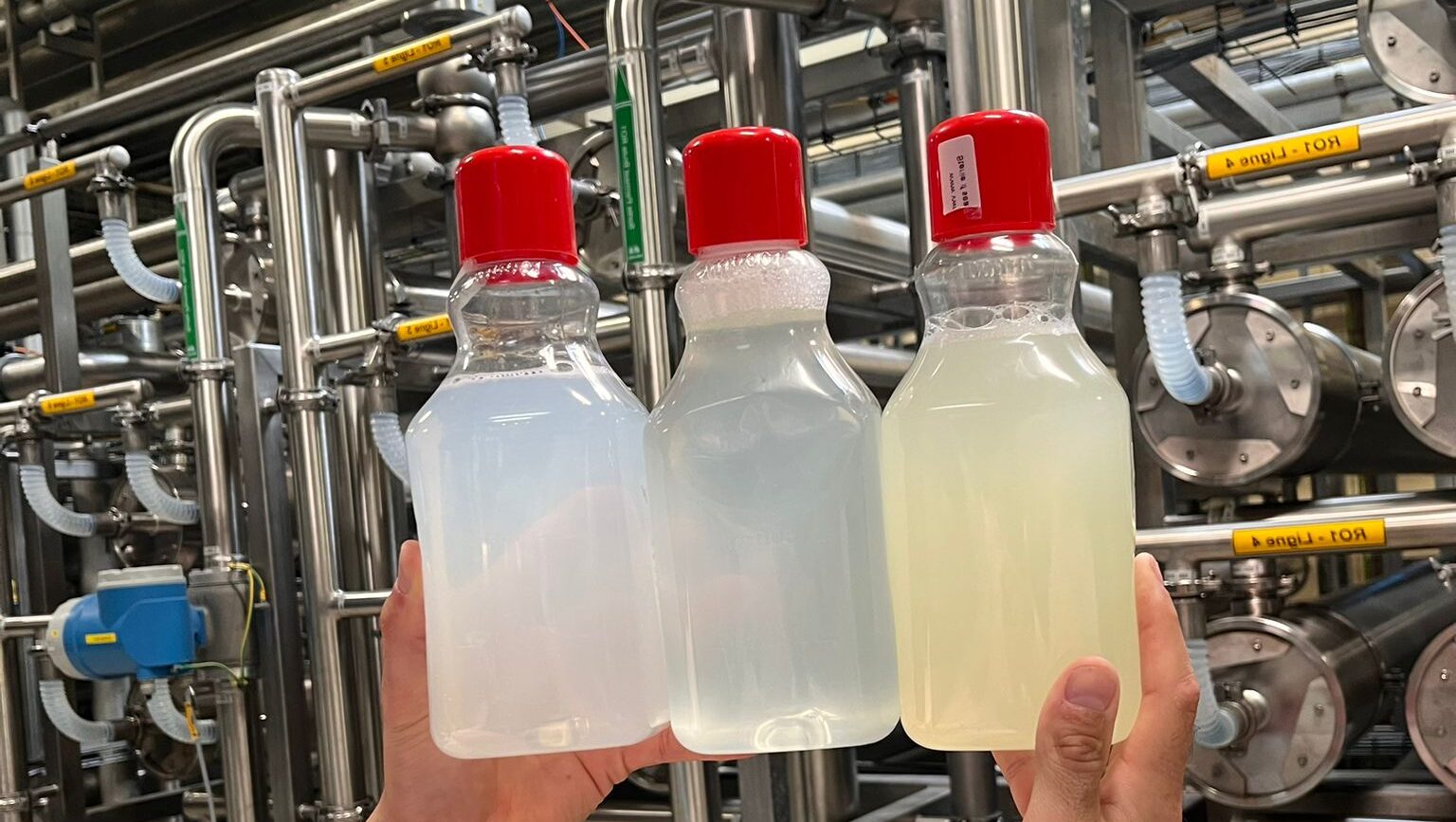
Membrane filtration is a key technology in dairy, brewing, biotech, biotics, water treatment, juice and wine production and plant-based production.
Membranes are used to separate and concentrate valuable components. However, the fine and complex structure of polymer membranes makes them particularly susceptible to organic fouling, which gradually reduces performance. Even small amounts of fouling can affect filtration efficiency, product quality and operating economy. Polymer membranes are also sensitive to wear and tear, which is why gentle, enzymatic cleaning will significantly extend their service life and save costs. That calls for a specialised cleaning strategy to remove deposits without damaging the membranes. At Nordic BioClean Solutions, we work with enzyme-based technologies and Realco’s Performance Optimisation Programme (POP) to ensure stable operation, documented hygiene and optimal membrane performance over time.
What is the challenge?
Traditional chemistry can be ineffective against biofilm and complex coatings – and may damage the membrane. When biofilm builds up, flux drops significantly, production capacity is reduced and the risk of quality problems increases. The small particles removed during filtration may clog the fine pores in the membranes, leading to more frequent stoppages and a shorter membrane life.
How does our solution work?
We use Realco’s Biorem® CIP 3G as part of the patented POP (Performance Optimisation Programme), which combines audits, analyses and performance adjustment to ensure the optimal cleaning strategy. The multi-enzymatic formulation breaks down proteins, fats and polysaccharides without damaging the membrane. This restores flux, extends membrane life and reduces chemical and water consumption – resulting in stable, sustainable and documentable membrane cleaning.
CIP – Cleaning In Place
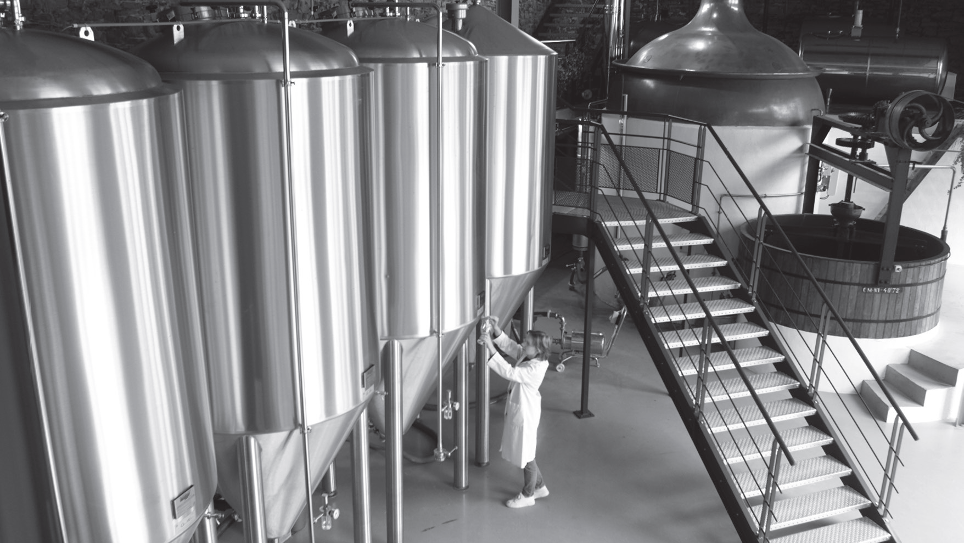
CIP is a method used in the food industry to clean closed systems such as tanks, pipes, heat exchangers, pasteurisation units and bioreactors.
Effective CIP is crucial for hygiene, product quality and operational reliability because it removes organic coatings and prevents contamination that can lead to production stoppages and quality deviations. At Nordic BioClean Solutions, we combine our consulting and process optimisation with Realco's enzyme-based Biorem® CIP solutions to ensure thorough, stable and sustainable cleaning that both protects equipment and maintains a high standard of hygiene.
What is the challenge?
Traditional chemical CIP often has a limited effect on biofilm and complex organic coatings. The biofilm matrix protects bacteria and pathogens, allowing them to survive repeated cleaning cycles, while harsh chemicals wear down equipment and seals. The result is reduced hygiene, more downtime and higher costs. This is why modern production lines require a more targeted and gentle CIP solution that effectively eliminates biofilm and protects installations at lower temperatures.
How does our solution work?
We use Realco’s Biorem® CIP 3G and Biorem® CIP COLD advanced, multi-enzymatic formulations that effectively break down proteins, fats and polysaccharides, even at moderate or low temperatures. Based on bio-based surfactants, the products are gentle on materials and the environment. A final disinfection can then eliminate the exposed bacteria for maximum food safety. The enzymes reduce water and energy consumption, improve allergen management and contribute to longer shelf life and higher product quality. Our audits, integration support and ongoing optimisation ensure CIP processes continue to deliver a stable and documentable performance.
OPC – Open Plant Cleaning
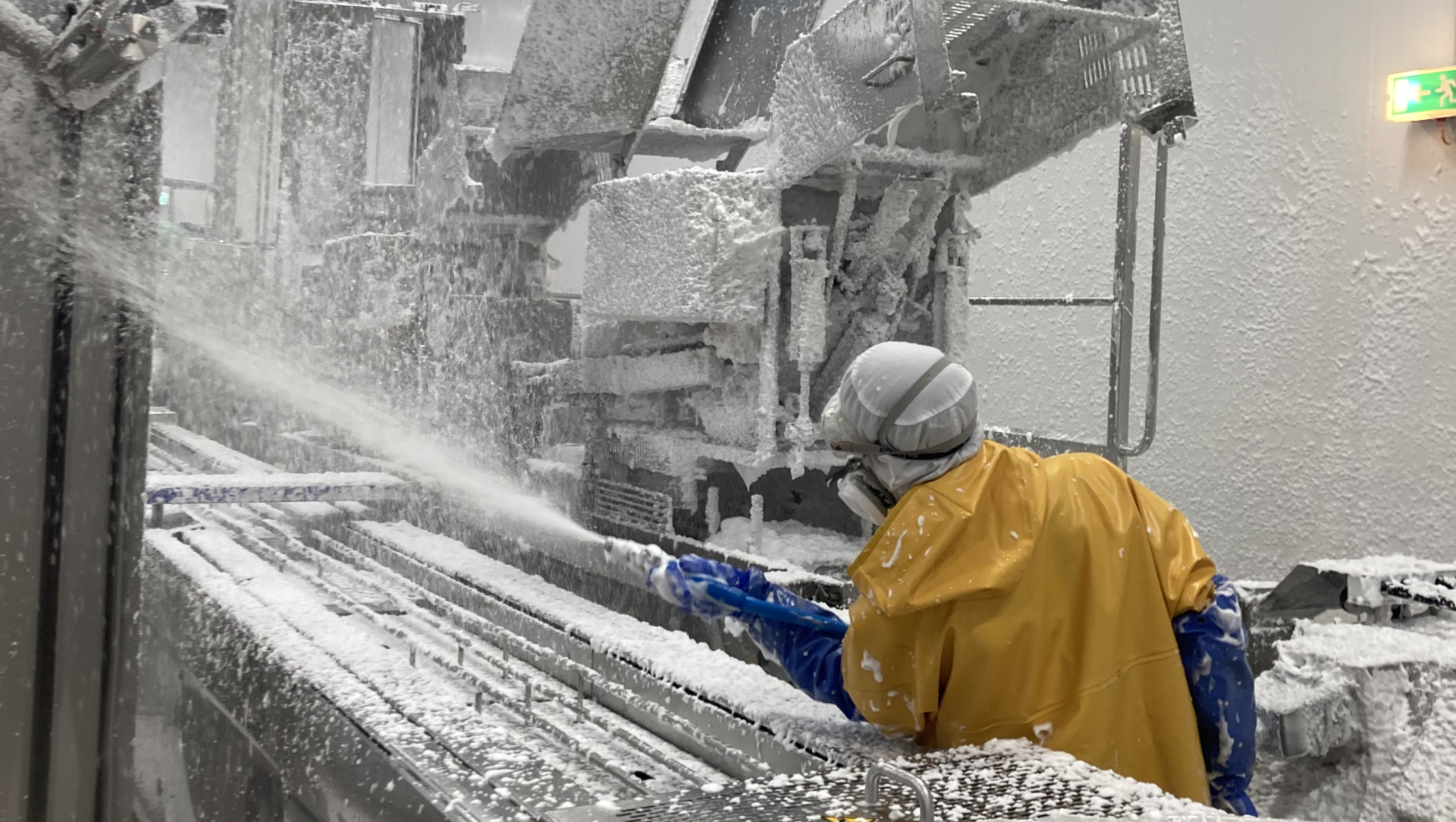
OPC is a cleaning method for open production environments where equipment, floors, grates, walls and drains are exposed to organic dirt and microbiological risks on a daily basis.
Biofilms can build up quickly in areas where food products are handled, processed and packaged or where meat and fish are cut. They then become a hidden reservoir for bacteria. Effective OPC is crucial to overcome this hygiene problem, ensuring stable microbiology and food safety on the production line and protecting products from contamination and off-flavours. At Nordic BioClean Solutions, we combine our advisory services and implementation support with Realco's advanced enzyme technologies. In that way, we ensure cleaning goes deeper than visible dirt, so critical areas are kept under full control.
What is the challenge?
Our OPC foam products create a stable foam that gives a long exposure time and optimal daily cleaning of open surfaces. Traditional alkaline and acidic foam cleaners remove visible dirt but have limited effect on biofilm. The protective matrix can make bacteria such as Listeria and Salmonella up to 1,000 times more resistant to disinfection. In crevices and drains and on equipment, biofilm can survive repeated cleaning routines and spread to products. This increases the risk of pathogens, off-flavours, shelf life issues and recalls.
How does our solution work?
We apply Realco’s Biorem® FOAM 3G and FOAM COLD, which use a powerful enzyme cocktail to break down the biofilm matrix at low temperatures. This exposes the bacteria, which can then be completely eliminated after subsequent disinfection. The products are based on natural raw materials, protect equipment and reduce water, energy and chemical consumption. Our auditing, optimisation and implementation services ensure OPC processes are demonstrably effective and sustainable.